
Category: Investigating Historical Power Dynamics Through Literary and Historical Case Studies
These posts use literary works, films, and historical events as case studies to examine how power is maintained, challenged, and transformed across different societies and historical periods.
-
Reconfiguration Without Transformation: Decolonization and Education Reform in Morales-Era Bolivia (Alyna Johnson)

Introduction Bolivia’s education system has long illuminated broader struggles over identity, power, and nationhood. Historically, education functioned as a tool of assimilation through castellanización, the imposition of Spanish language and culture on Indigenous populations. However, resistance to this model has similarly deep historical roots. Beginning in the 1970s, intellectuals and activists articulated critiques of the… Read more
-
Indigenous Agency in Latin American Cartography (Alyna Johnson)
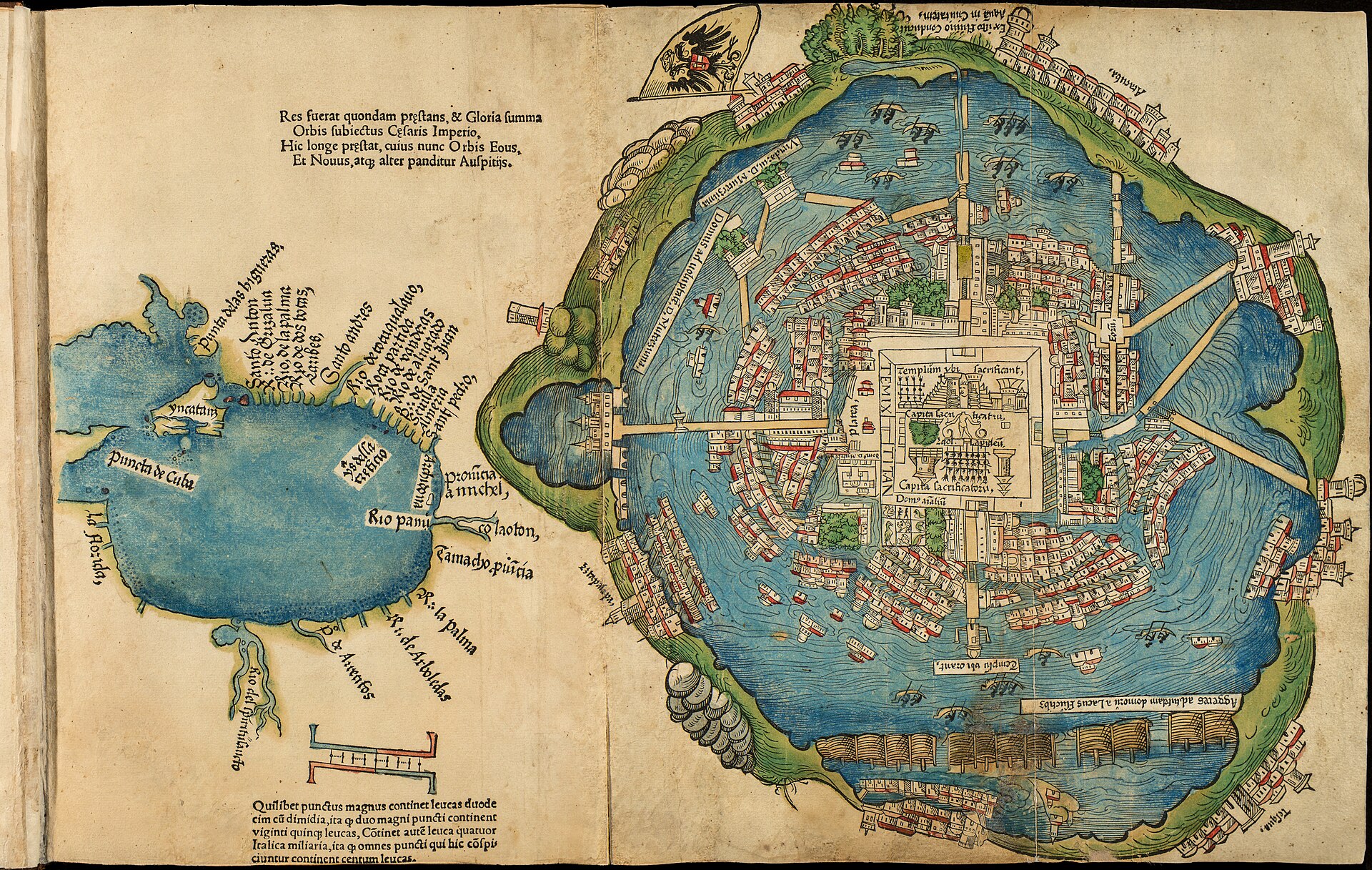
Sources Read more
-
The Persistence of Ladino Racial Ideology in The Nine Guardians (Alyna Johnson)
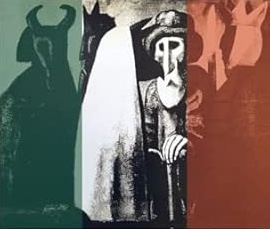
Introduction In Rosario Castellanos’ The Nine Guardians, Ladino authority declines as agrarian and educational reforms as well as emerging Indigenous political consciousness threaten the traditional hacienda hierarchy, yet the Argüellos’ racist beliefs about Indigenous inferiority persist and at times intensify. This paradox raises an important question: why do Ladino characters continue to believe in the… Read more
-
Beyond Documentation: Indigenous Knowledge and Cultural Survival in Embrace of the Serpent (Alyna Johnson)
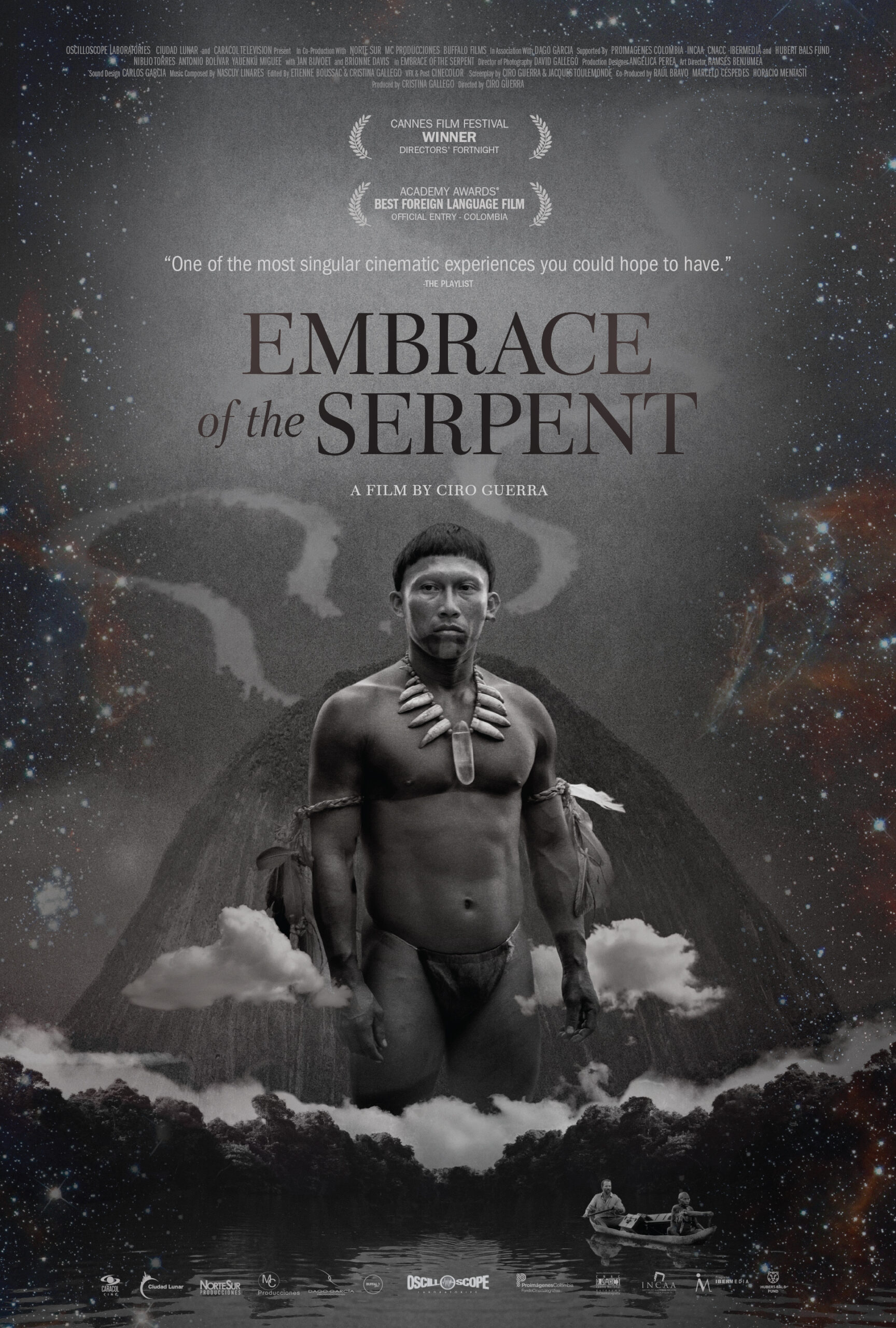
Material Records Cannot Preserve Living Knowledge By contrasting Theo’s refusal to abandon his luggage, which reflects his attempt to preserve Indigenous knowledge as material records for Western validation, with Evan’s willingness to discard his possessions and develop a spiritual relationship with the environment, Embrace of the Serpent demonstrates that Indigenous knowledge survives not through detached… Read more
-
The Inverted Power Dynamics during the Rise of Hollywood (Alyna Johnson)
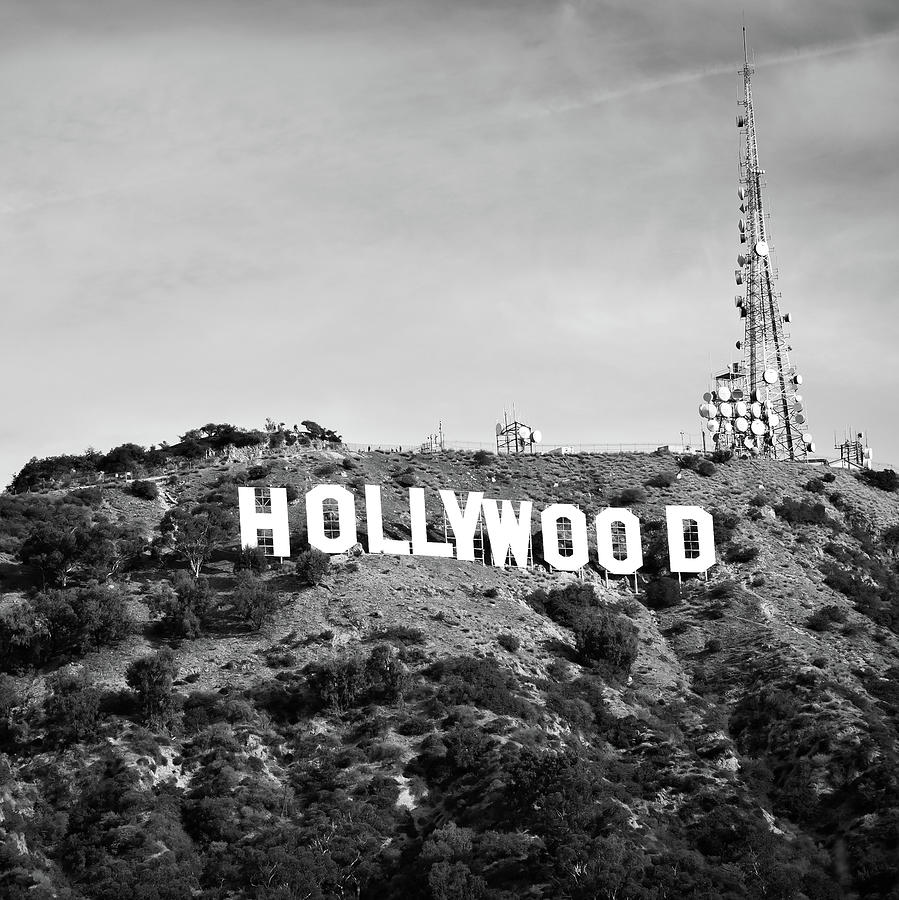
Introduction After World War I derailed the European film industry, American films enjoyed minimal competition and thus a rapid rise in popularity, which encouraged the United States government to work with Hollywood as the country joined the conflict. Studying films produced during this collaboration reveals their propagandistic nature, which, along with the film industry’s other… Read more