
Author: alyna.johnson
-
Reconfiguration Without Transformation: Decolonization and Education Reform in Morales-Era Bolivia (Alyna Johnson)
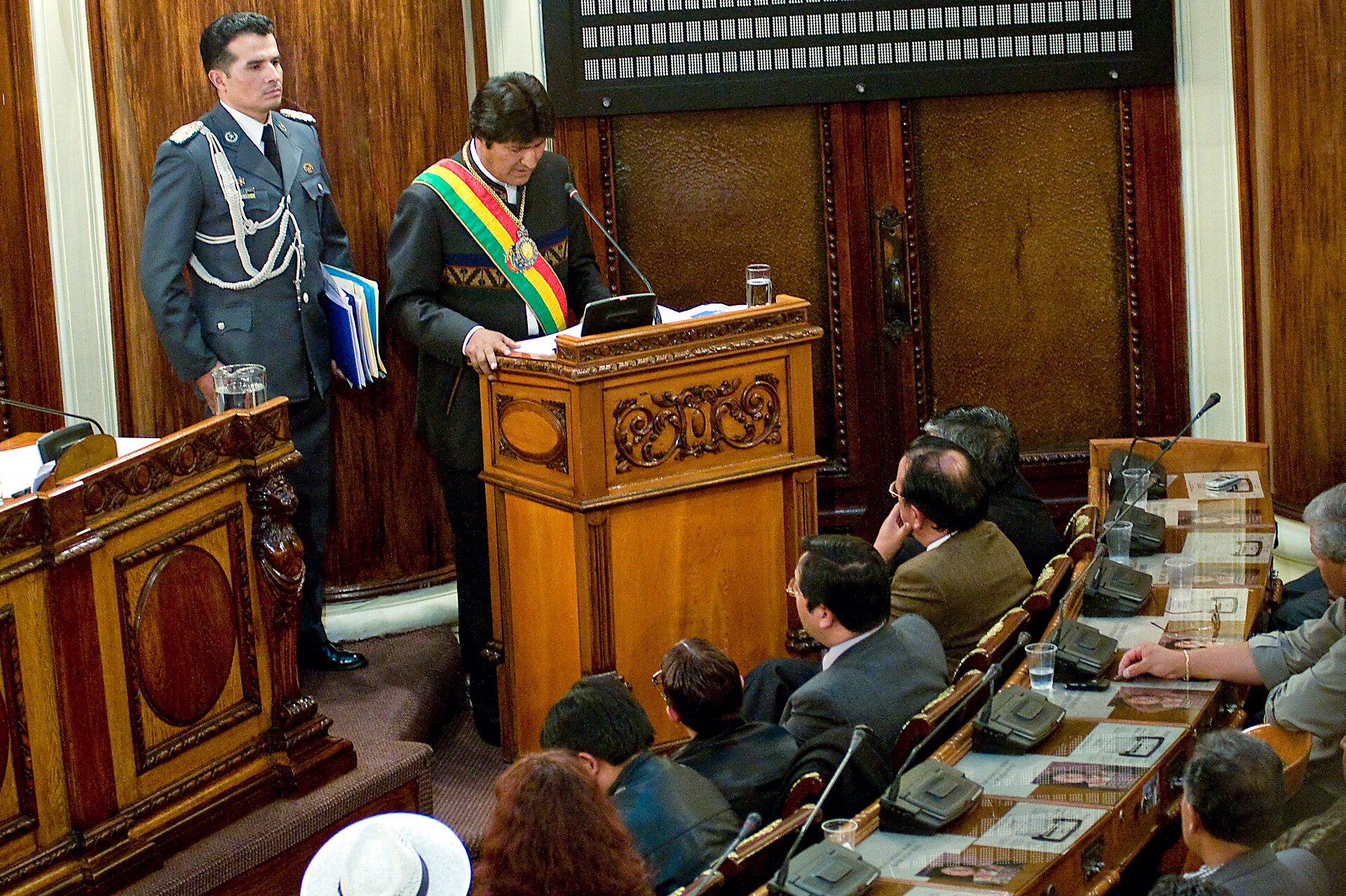
Introduction Bolivia’s education system has long illuminated broader struggles over identity, power, and nationhood. Historically, education functioned as a tool of assimilation through castellanización, the imposition of Spanish language and culture on Indigenous populations. However, resistance to this model has similarly deep historical roots. Beginning in the 1970s, intellectuals and activists articulated critiques of the… Read more
-
Between Liberation and Continuity: Anzaldúa’s New Mestiza and the Legacies of la Raza Cósmica (Riya Johnson)

Introduction The idea of Latin America as a geopolitical region–a group of countries linked by shared historical, cultural, and political characteristics–was constructed to promote the vision of a new, unified “civilization” distinct from the Old World by forging a cohesive identity. In the twentieth century, a central element of this civilizing effort was mestizaje, the… Read more
-
Indigenous Agency in Latin American Cartography (Alyna Johnson)
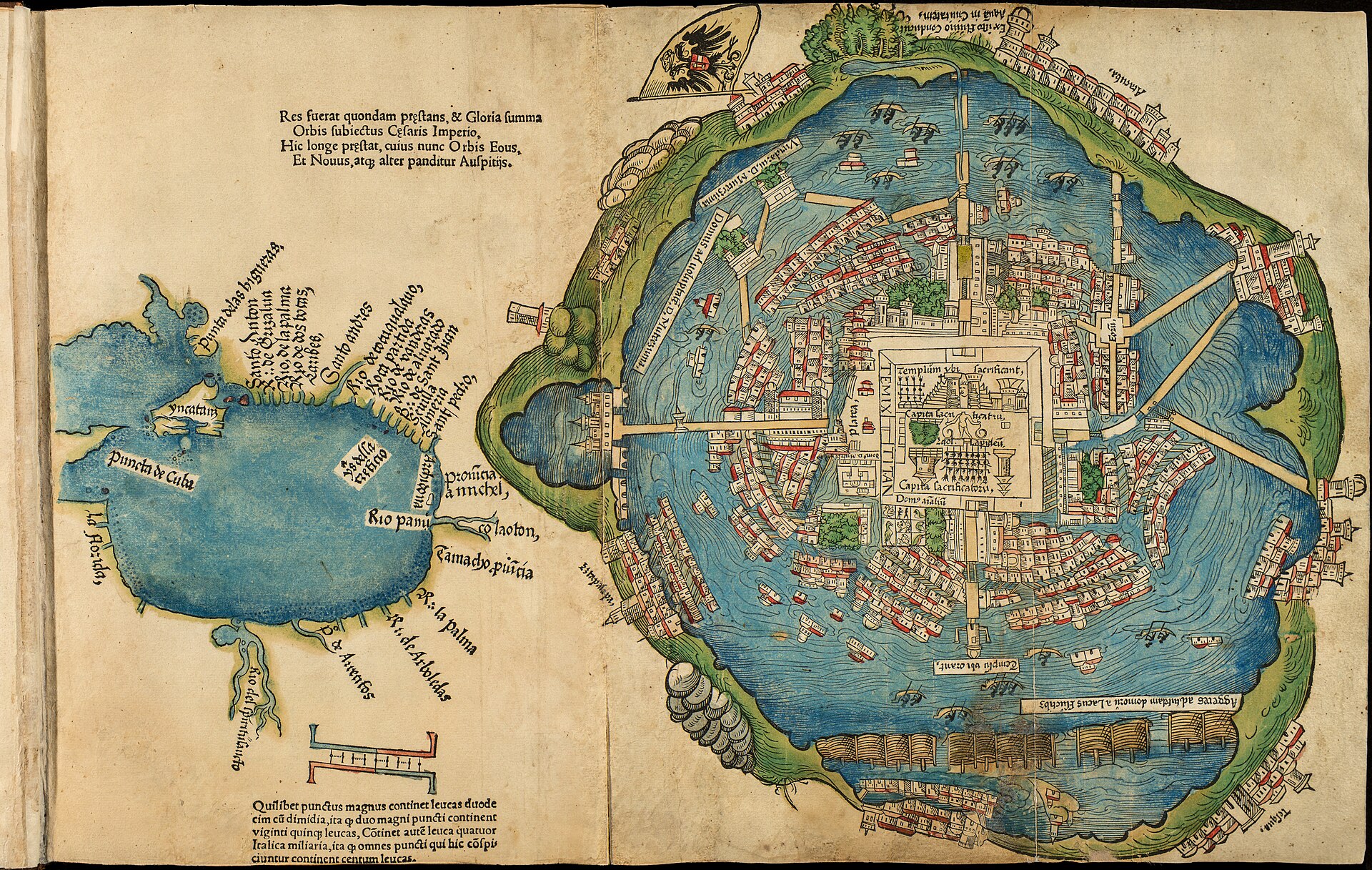
Sources Read more
-
The Persistence of Ladino Racial Ideology in The Nine Guardians (Alyna Johnson)
Introduction In Rosario Castellanos’ The Nine Guardians, Ladino authority declines as agrarian and educational reforms as well as emerging Indigenous political consciousness threaten the traditional hacienda hierarchy, yet the Argüellos’ racist beliefs about Indigenous inferiority persist and at times intensify. This paradox raises an important question: why do Ladino characters continue to believe in the… Read more
-
Beyond Documentation: Indigenous Knowledge and Cultural Survival in Embrace of the Serpent (Alyna Johnson)
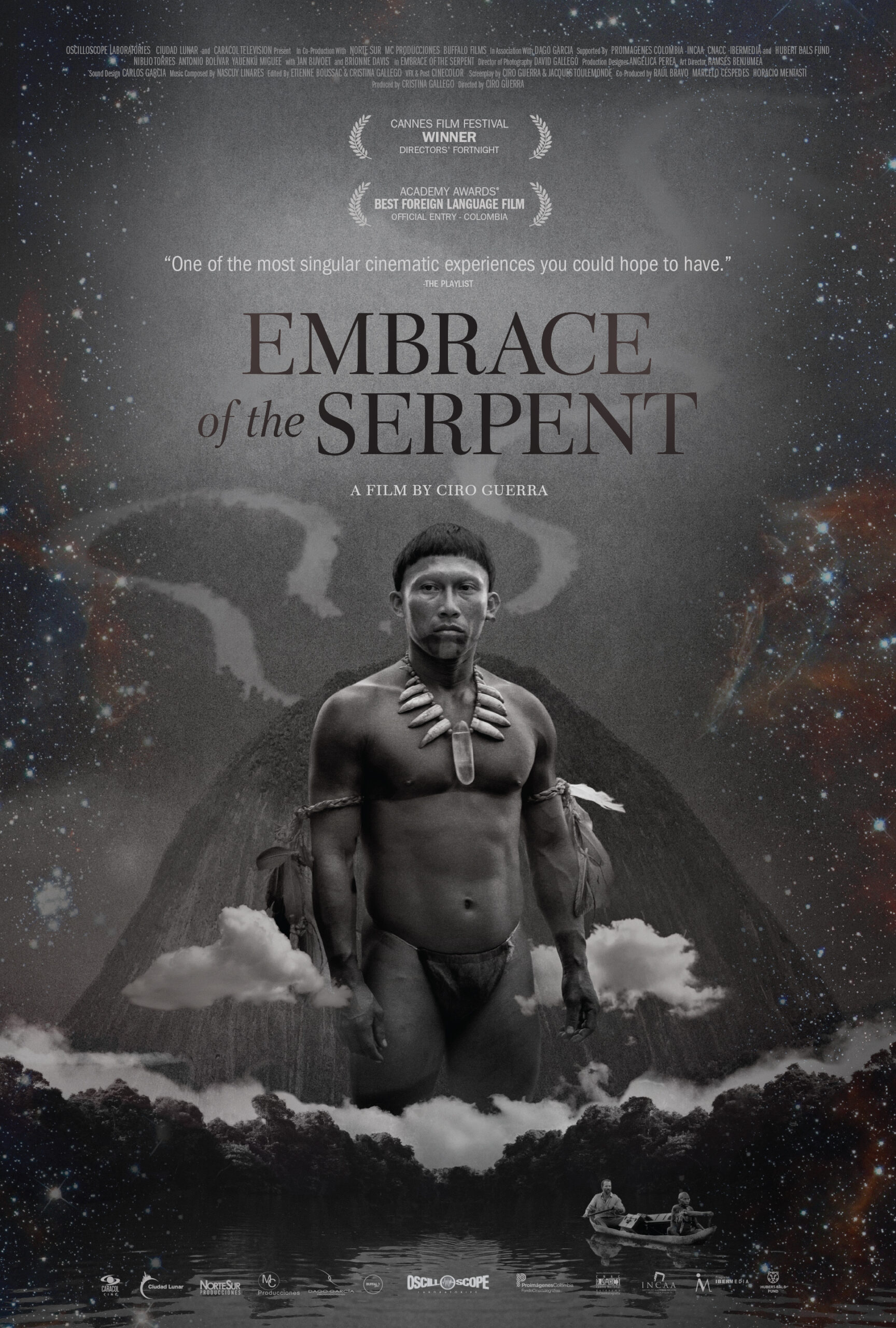
Material Records Cannot Preserve Living Knowledge By contrasting Theo’s refusal to abandon his luggage, which reflects his attempt to preserve Indigenous knowledge as material records for Western validation, with Evan’s willingness to discard his possessions and develop a spiritual relationship with the environment, Embrace of the Serpent demonstrates that Indigenous knowledge survives not through detached… Read more
-
The Burgess Shale and the Myth of Evolutionary Progress (Alyna Johnson)
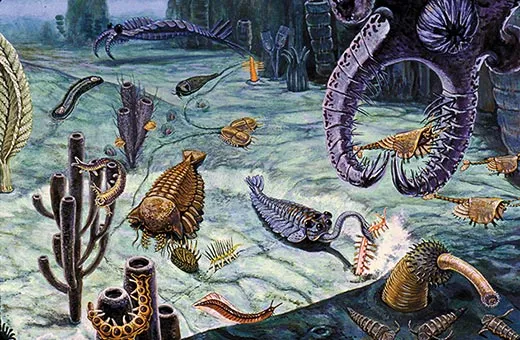
Introduction What if the history of life is not a story of predictable linear progress and expansion through time but rather of luck and decimation, and how can a shale deposit tucked in the Canadian Rockies help expose this reality? These questions and many more guide today’s post, centered on the Burgess Shale. A Fossil… Read more
-
The Unearthing: A Feminist Retelling of Princess Ixkik’s Story in Popol Vuh (Riya Johnson)
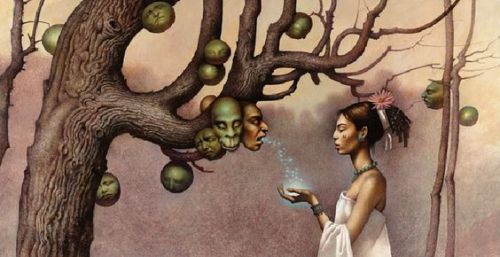
This city is encased in darkness. It teems with unbearable horrors–rivers of scorpions, pus, and blood tear through the land like wounds carved into flesh. From the moment you step through the cave entrance, jagged rocks loom like knives ready to strike, and the air presses down with such oppressive weight that even defiance crumbles… Read more
-
The Inverted Power Dynamics during the Rise of Hollywood (Alyna Johnson)

Introduction After World War I derailed the European film industry, American films enjoyed minimal competition and thus a rapid rise in popularity, which encouraged the United States government to work with Hollywood as the country joined the conflict. Studying films produced during this collaboration reveals their propagandistic nature, which, along with the film industry’s other… Read more
-
Examining Cultural Evolution through Proposed Lenses (Riya Johnson)

Introduction Looking at the title of this post, you may be asking yourself, “Is cultural change really analogous to biological evolution?” As someone who enjoys studying the intersection of biology and cultural anthropology, which I once held as disparate fields, I am tempted to say “yes;” however, there are critical differences that we must recognize… Read more
-
Investigating the Roots of Our Diverse Taste Preferences (Alyna Johnson)
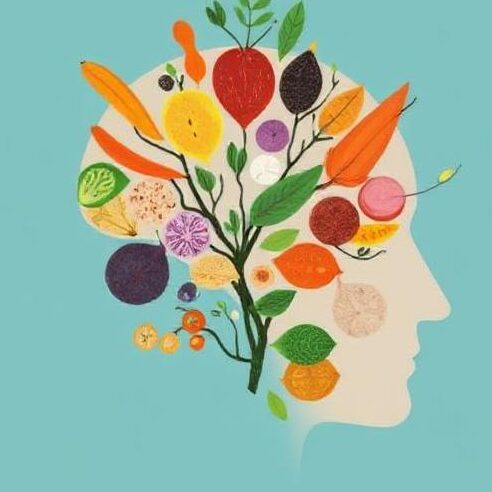
Introduction Have you ever wondered why you consistently crave a food that your friends find unpalatable? I have, too, and I ultimately attributed my tastes to my distinct genetic makeup and personal experiences, which are, in fact, contributing factors to individual preferences. However, I have learned that numerous phenomena, including taste, rooted in sociocultural anthropology… Read more